
What This Project Is About
Indonesia’s coastal and marine ecosystems are under pressure from rapidly increasing plastic waste. To support national policy targets and future monitoring to fulfil requirements for the forthcoming National Action Plan for Marine Debris 2026 onwards, PISCES Relay is developing a best-practice handbook. It includes state of the art methodologies for tracking plastic litter accumulation, characterisation, habitat condition, and biodiversity impacts in priority coastal environments and for using monitoring results to guide adaptive monitoring and policy interventions.
The project brings together rapid field survey methods, spatial analysis, ecosystem-service assessment and evaluation so that government agencies, researchers and practitioners can monitor change over time using standardised, repeatable approaches and translate their findings into decision-oriented metrics and evidence-based recommendations.
This work is funded through a French Development Bank technical assistance programme designed to help Indonesia assess and reduce the impacts of marine debris on biodiversity and human well-being.
What the Project Delivers
A fully illustrated handbook (2025) containing:
- A unified set of tested monitoring protocols for beaches, mangroves, seagrass beds, coral reefs and coastal waters.
- A spatial mapping framework and atlas linking litter accumulation to habitat sensitivity and ecosystem-service risk
- A step-wise approach to enable evaluation of progress to achieve policy targets and monitoring policy responses to reducing plastic pollution and accumulation.
Where the Work Takes Place
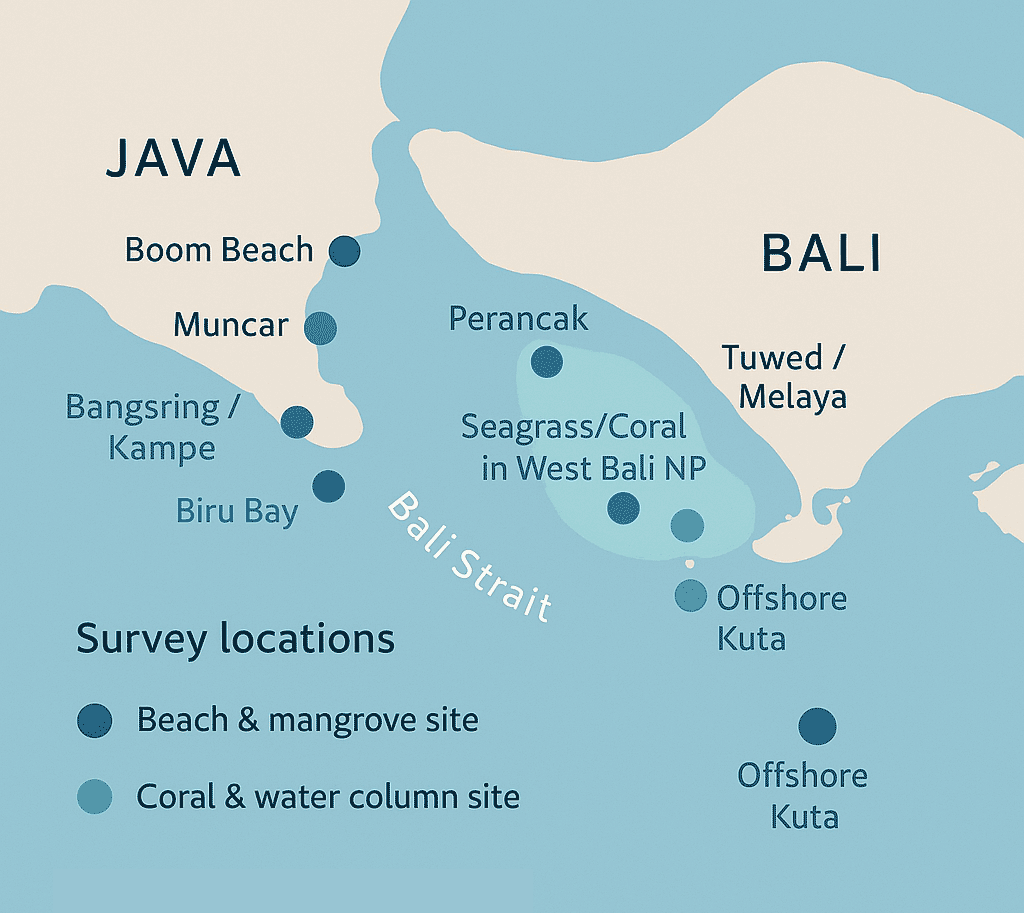
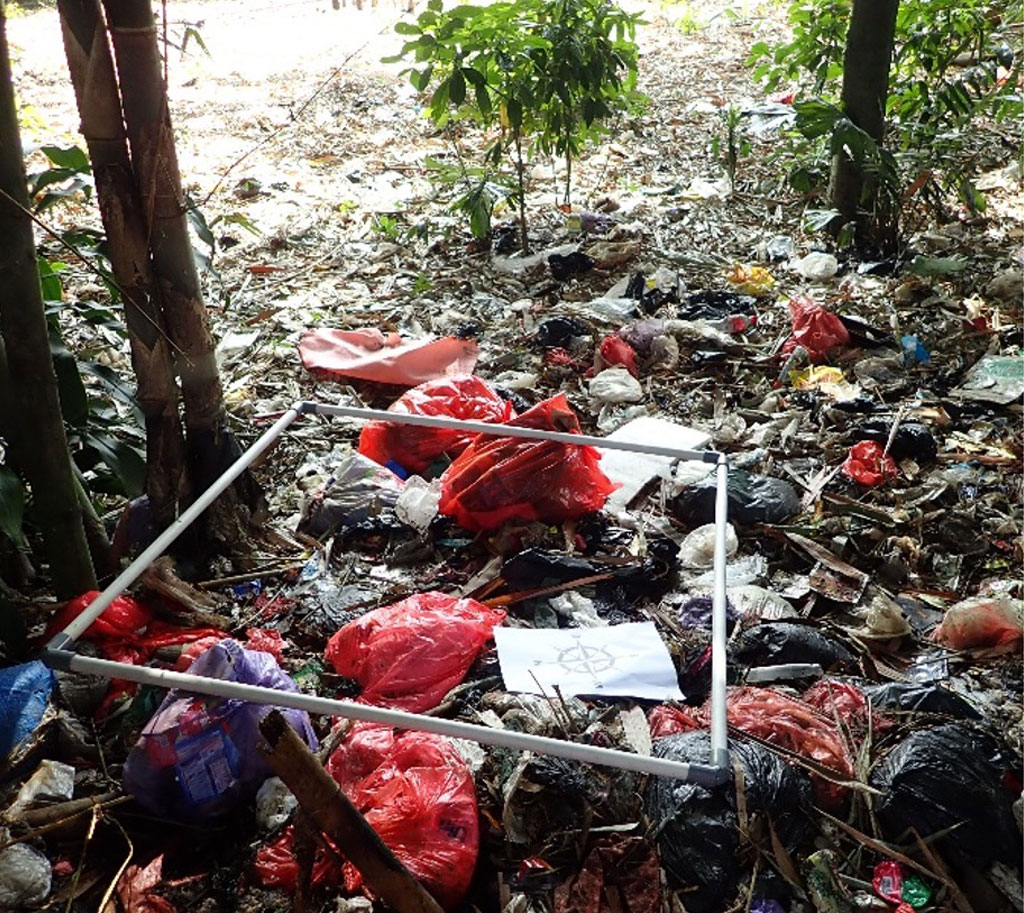
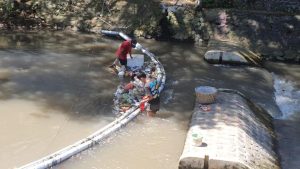
These locations together represent a source-to-sea gradient, from river mouths and fishing ports to national park mangroves, coral reefs and seagrass meadows, an ideal testbed for the protocols.
Why This Matters
The PISCES Relay handbook strengthens Indonesia’s ability to:
- Track progress toward marine debris policy targets
- Identify priority habitats at risk from plastic exposure
- Quantify impacts on ecosystem services such as coastal protection, fisheries, and tourism
- Inform evidence-based policies, spatial planning and reduction strategies
- Build a national system for long-term monitoring of plastic pollution
Who Is Involved
This project is delivered by expert members of the PISCES Relay consortium, with survey and analysis led by the PISCES Relay Brunel University London leadership team with research collaborators:
- Brunel University of London, UK
- University of Plymouth, UK
- Indonesia’s National Research and Innovation Agency (BRIN)
- Udayana University, Bali, Indonesia